Chlorine is commonly used to disinfect public water supplies and help control harmful microorganisms. While it plays an important role in maintaining water safety, many people have questions about its presence in everyday shower water. Can chlorine affect your skin? Does it make your hair dry? And should families consider using a shower filter?
Understanding the possible effects of chlorine in shower water on skin, hair and your family can help you make informed decisions about your household water quality. Although chlorine levels in treated water are generally regulated, individual sensitivity and water conditions can influence the showering experience.
In this guide, we will explore how chlorine enters shower water, its possible effects and how suitable filtration may help reduce exposure.
Why Is Chlorine Present in Shower Water?
Chlorine is widely used in municipal water treatment because it helps disinfect water and control harmful bacteria and other microorganisms.
Water suppliers maintain appropriate disinfectant levels to help protect public health as water travels through distribution systems. This means chlorine may remain in the water when it reaches your home.
The amount can vary depending on the treatment process, water source and distribution conditions.
Although chlorine is important for water disinfection, some households prefer to reduce its presence in shower water as part of their personal care routine.
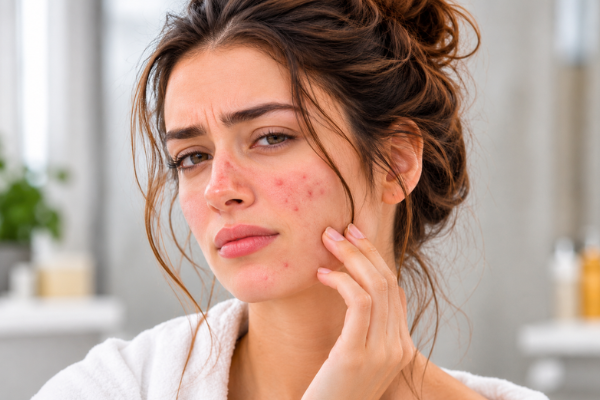
Effects of Chlorine in Shower Water on Your Skin
Your skin comes into direct contact with water every time you shower. Some people are concerned that chlorine exposure may contribute to dryness or discomfort.
Here are some possible effects to understand.
1. Skin Dryness
Some people notice that their skin feels dry or tight after showering. Chlorine exposure may contribute to skin dryness in certain circumstances, although hot water, harsh soaps and environmental conditions can also play a role.
People with naturally dry or sensitive skin may be more aware of these changes.
2. Skin Irritation
Individuals with sensitive skin may experience discomfort after repeated exposure to certain substances in water.
However, skin irritation can have several causes, including skincare ingredients, fragrances, detergents and existing skin conditions.
3. Concerns for Eczema-Prone Skin
People living with eczema often pay close attention to possible environmental triggers.
Chlorine exposure may bother some individuals, but its effects vary. A shower filter is not a treatment for eczema and cannot guarantee relief from flare-ups.
Using gentle cleansing products and applying moisturiser after showering may help support a suitable skincare routine.
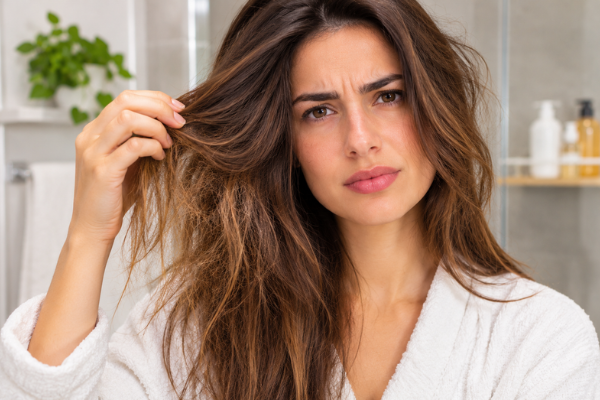
How Can Chlorine Affect Your Hair?
Hair is another area people consider when thinking about shower water quality.
1. Dry and Rough Hair
Frequent exposure to chlorinated water may contribute to changes in hair texture for some people. Hair can feel rough or less manageable, particularly when combined with frequent washing and heat styling.
2. Reduced Hair Manageability
When hair becomes dry or damaged, it may be harder to brush and style. Some people find that their hair becomes more difficult to manage after regular exposure to certain water conditions.
3. Hair Breakage Concerns
Dryness and damage can make hair more vulnerable to breakage. However, chlorine in ordinary household shower water should not automatically be considered the cause of hair loss.
Hair shedding can result from genetics, hormonal changes, nutritional deficiencies, stress and medical conditions.
Does Chlorine in Shower Water Affect Children and Families?
Families may have additional questions about the water used for children’s daily baths.
Children’s skin can be more sensitive than adult skin, and some may experience dryness or irritation due to bathing products, hot water or environmental factors.
A few simple habits can help make bathing more comfortable:
- Use lukewarm water instead of very hot water.
- Choose gentle, fragrance-free cleansing products.
- Avoid unnecessarily long showers and baths.
- Apply an appropriate moisturiser after bathing.
- Keep showerheads and bathroom fittings clean.
- Follow recommended maintenance for household water systems.
If a child develops persistent skin irritation, consult a healthcare professional to identify the cause.
Can a Shower Filter Remove Chlorine?
A shower filter can help reduce chlorine in shower water if it contains suitable filtration materials and is designed for that purpose.
Different filtration technologies work in different ways.
Activated Carbon: Commonly used to reduce chlorine and certain organic compounds.
Calcium Sulphite: Used in some shower filtration products to reduce chlorine.
KDF Media: Can help reduce chlorine under suitable water conditions.
The effectiveness of these materials depends on water temperature, flow rate, contact time, filter capacity and product design.
Before purchasing a shower filter, check whether the manufacturer provides reliable performance testing for chlorine reduction.
Benefits of Using a Shower Filter for Your Home
A suitable shower filter may offer several advantages for households concerned about shower water quality.
- Chlorine reduction: A properly tested filter may reduce chlorine exposure during showering.
- Hair-care support: Reducing certain substances may help improve hair feel and manageability.
- Skin comfort: Some people prefer filtered water as part of their sensitive-skin routine.
- Additional filtration: Provides another filtration stage before water reaches the showerhead.
- Convenient installation: Many shower filters are designed to fit existing shower connections.
It is important to remember that a shower filter does not make water sterile or remove every possible contaminant.
Why Consider Blue Oasis Filter?
Blue Oasis Filter is an option for households looking to add an extra filtration stage to their everyday shower routine.
When choosing a shower filter, consider its filtration materials, chlorine-reduction performance, installation compatibility and cartridge replacement requirements.
Reviewing these specifications can help you understand whether a product is suitable for your household’s water-quality concerns. Regular cartridge replacement is also important for maintaining the intended filtration performance.
How to Reduce the Effects of Chlorine During Your Shower Routine
Along with considering suitable filtration, you can follow a few practical habits:
- Keep showers short and avoid excessively hot water.
- Use gentle shampoo and body wash.
- Apply conditioner to help maintain hair manageability.
- Moisturise your skin after bathing.
- Avoid harsh scrubbing, especially if you have sensitive skin.
- Maintain your shower filter according to the manufacturer’s instructions.
These steps can help support a more comfortable bathing routine.
Final Thoughts
Chlorine plays an important role in keeping public water supplies disinfected and safe. However, some people are concerned about its possible effects on hair texture and skin comfort during regular showering.
A suitable shower filter with verified chlorine-reduction performance may help reduce exposure during bathing. However, it cannot guarantee protection from skin irritation, prevent hair loss or replace medical treatment.
Understanding your household water quality, choosing suitable filtration and maintaining good personal care habits can help your family enjoy a more comfortable daily shower experience.